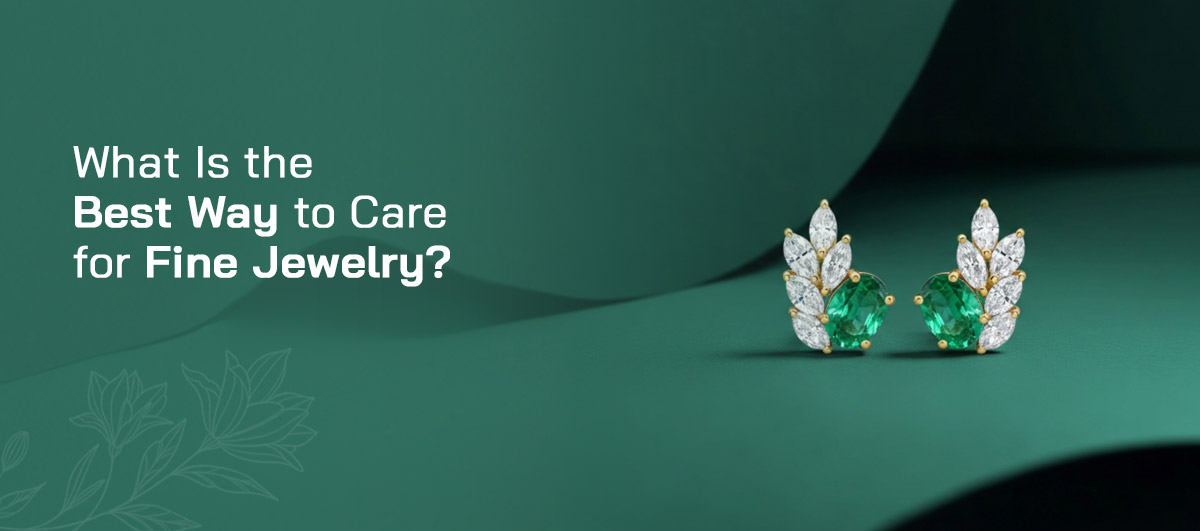
What Is the Best Way to Care for Fine Jewelry?
Fine jewelry represents lasting value, craftsmanship, and trust—especially in the U.S. wholesale market. Whether it is diamond jewelry, gold earrings, or custom-designed collections, proper care is essential to preserve beauty, durability, and resale value. For jewelry retailers, educating customers on jewelry care is not just a service—it strengthens brand credibility and reduces after-sales issues. This guide explains the best practices for caring for fine jewelry, helping retailers offer accurate guidance while protecting the long-term value of their collections.
Why Proper Jewelry Care Matters for Retailers
Fine jewelry is designed to last, but improper handling, storage, and cleaning can lead to premature wear. Scratches, loose settings, and discoloration are among the most common concerns reported by customers. Retailers sourcing Wholesale Diamond Jewelry benefit when customers understand how to maintain their pieces. Well-maintained jewelry results in fewer repairs, stronger brand trust, and higher lifetime customer value. From a wholesale perspective, proper care education also supports the perceived quality of the product long after the sale.
Daily Wear Habits That Protect Fine Jewelry
Remove Jewelry During Physical Activities
Customers should be advised to remove fine jewelry before exercising, swimming, or performing household tasks. Impact and chemical exposure are the leading causes of damage to diamonds and gold.
Avoid Contact With Chemicals
Perfumes, lotions, cleaning agents, and chlorine can dull finishes and weaken metal over time. This is particularly important for delicate items such as Wholesale Gold Earrings, which are worn close to the skin.
Put Jewelry On Last
Jewelry should always be the final step in dressing. This simple habit reduces exposure to cosmetics and hair products that can affect both diamonds and gold.
How to Store Fine Jewelry Correctly
Separate Storage Is Essential
Jewelry should be stored separately to prevent scratching. Diamonds can scratch other gemstones and metals, so individual compartments or soft pouches are recommended.
Use Lined Jewelry Boxes
Soft-lined jewelry boxes protect against moisture and friction. This is especially important for diamond jewelry stored for extended periods.
Secure Clasps Before Storage
Necklaces, bracelets, and earrings should always be fastened before storage to prevent tangling or bending. Retailers can enhance customer experience by offering care instructions or storage solutions alongside purchases.
Cleaning Diamond Jewelry Safely
Diamonds attract oils and residue, which can reduce brilliance over time. Regular cleaning keeps diamonds looking their best.
Gentle At-Home Cleaning
A mild soap solution and a soft brush are sufficient for routine cleaning. Jewelry should be rinsed thoroughly and dried with a lint-free cloth.
Professional Cleaning Recommendations
Customers should be advised to have diamond jewelry professionally cleaned and inspected at least once a year. This helps identify loose prongs or wear before stones are lost. Retailers offering Wholesale Diamond Jewelry often include care cards or inspection reminders to support long-term satisfaction.
Caring for Gold Jewelry Without Damage
Gold is durable but not indestructible. Improper cleaning or storage can lead to scratches and loss of shine.
Avoid Abrasive Materials
Gold should never be cleaned with toothpaste, baking soda, or harsh chemicals. These materials can wear down the surface over time.
Regular Polishing
Soft cloth polishing helps maintain shine without removing metal. This is particularly important for high-turnover items like Wholesale Gold Earrings that experience frequent wear.
Store Away From Moisture
Humidity can contribute to tarnishing in gold alloys. Dry storage environments help preserve color and finish.
Periodic Inspections: A Retailer Best Practice
Fine jewelry settings naturally loosen over time. Encouraging customers to schedule inspections helps prevent stone loss and structural damage. Retailers can position inspections as a value-added service, especially for bridal and heirloom jewelry. This reinforces long-term relationships and supports repeat business. Inspection education is particularly relevant for collections that include bracelets and earrings, where movement increases wear risk.
Educating Customers on Category-Specific Care
Different jewelry categories require slightly different care guidance. Bracelets should be removed during manual work to avoid bending or stress. Retailers offering Wholesale Gold Bracelet collections often highlight flexibility limits and clasp care. Earrings require attention to backs and posts. Proper cleaning prevents buildup that can affect comfort and hygiene, especially for diamond styles such as Wholesale Diamond Earrings. Providing category-specific care instructions enhances customer confidence and reduces post-sale concerns.
The Retail Advantage of Jewelry Care Education
Retailers who proactively educate customers on jewelry care position themselves as trusted experts rather than transactional sellers. This approach leads to:
- Fewer returns and repairs
- Higher perceived product value
- Stronger brand loyalty
- Increased referral potential
For B2B retailers, jewelry care education complements premium sourcing and quality manufacturing.
Final Thoughts: Building Long-Term Value Through Care
The best way to care for fine jewelry combines proper daily habits, correct storage, safe cleaning, and routine inspections. When retailers communicate these practices clearly, customers enjoy longer-lasting jewelry and stronger confidence in their purchase. For wholesale-focused businesses, educating customers on care protects the integrity of fine jewelry collections and reinforces the craftsmanship behind every piece. Jewelry care is not just maintenance—it is an extension of quality, trust, and long-term brand value.
-
 July 28th, 2026