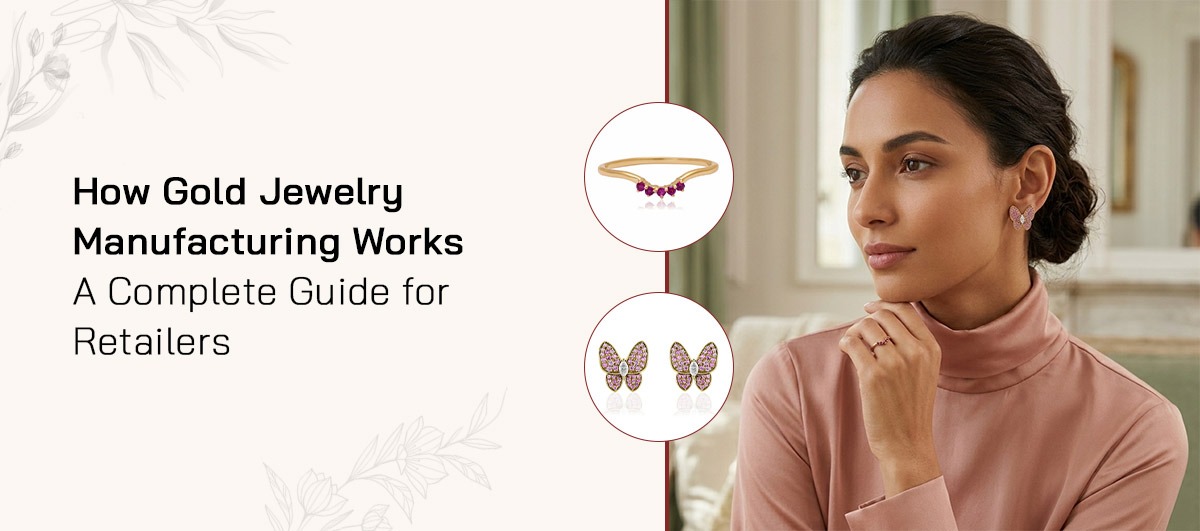
How Gold Jewelry Manufacturing Works: A Complete Guide for Retailers
In today’s competitive U.S. jewelry market, understanding how gold jewelry is manufactured is essential for retailers aiming to improve margins, ensure consistent quality, and build a strong brand identity. Whether you are sourcing from Gold Jewelry Manufacturers or working with a private label partner, having in-depth knowledge of the manufacturing process empowers you to make better business decisions.
This comprehensive guide explains every stage of gold jewelry manufacturing—from design to final polishing—while highlighting how retailers can optimize sourcing strategies, reduce risks, and scale efficiently. Built with Answer Engine Optimization (AEO) and SEO best practices, this guide is tailored for B2B retailers in the United States.
What is Gold Jewelry Manufacturing?
Gold jewelry manufacturing is a multi-step process that transforms raw gold into finished jewelry pieces such as rings, necklaces, and bracelets. It involves design conceptualization, metal refining, casting, stone setting, polishing, and quality inspection.
For retailers, partnering with experienced Gold Jewelry Manufacturers ensures consistency, scalability, and adherence to quality standards—especially in markets like New York, where customer expectations are high.
Step-by-Step Gold Jewelry Manufacturing Process
1. Design & Concept Development
The process begins with jewelry design. Manufacturers create sketches or CAD (Computer-Aided Design) models based on market trends, retailer requirements, and consumer demand.
- Trend-based collections (minimalist, vintage, bridal)
- Custom or private label designs
- CAD rendering for precision
Retailers benefit from design flexibility, especially when working with suppliers offering customization services.
2. Gold Purity Selection (14K vs 18K)
Choosing the right gold purity is crucial for durability, pricing, and target audience. The most common options include:
- 14K Gold: Durable, cost-effective, ideal for everyday jewelry
- 18K Gold: Higher gold content, premium finish, luxury segment
Many retailers source from Wholesale 14k Gold Jewelry Suppliers for affordability, while premium brands prefer Wholesale 18k Gold Jewelry for high-end collections.
3. Mold Making & Wax Modeling
After finalizing the design, a mold is created using wax models. This step ensures that multiple identical pieces can be produced efficiently.
- 3D printing or hand-carved wax models
- Rubber mold creation for mass production
- High precision replication
4. Casting Process
The casting process involves melting gold and pouring it into molds to form the basic jewelry structure.
- Gold is heated at high temperatures
- Molten gold is injected into molds
- Cooling and solidification
This stage is critical for maintaining structural integrity and consistency across bulk orders.
5. Cleaning & Pre-Finishing
Once cast, the jewelry pieces undergo cleaning to remove excess material and imperfections.
- Removal of sprues (extra metal)
- Surface smoothing
- Initial polishing
6. Stone Setting
If the jewelry includes gemstones or diamonds, skilled artisans carefully set stones into the design.
- Prong setting
- Bezel setting
- Pavé setting
Precision is essential at this stage to ensure durability and aesthetic appeal.
7. Final Polishing & Finishing
The jewelry is polished to achieve its final shine and finish.
- High-gloss polishing
- Matte or textured finishes
- Rhodium plating (if required)
Retail-ready pieces must meet strict quality standards before packaging.
8. Quality Control & Certification
Quality checks ensure that each piece meets industry standards and retailer expectations.
- Gold purity verification
- Stone quality inspection
- Durability testing
Reliable Gold Jewelry Suppliers maintain strict quality control protocols to reduce returns and enhance brand trust.
Types of Gold Jewelry Retailers Can Source
Retailers can diversify their inventory by sourcing various gold jewelry categories:
- Rings and engagement bands
- Necklaces and pendants
- Earrings (studs, hoops, drops)
- Wholesale Gold Bracelet collections
Offering a mix of trend-driven and classic designs helps retailers cater to a broader audience.
Why Retailers Should Work Directly with Gold Jewelry Manufacturers
Sourcing directly from Gold Jewelry Manufacturers offers several advantages:
1. Better Profit Margins
Eliminating intermediaries reduces costs, allowing retailers to increase margins.
2. Customization & Private Labeling
Retailers can create unique collections aligned with their brand identity.
3. Consistent Quality
Direct relationships ensure standardized production processes and reliable quality.
4. Scalability
Manufacturers can handle both low MOQ orders and large-scale production.
Key Factors to Consider When Choosing Gold Jewelry Suppliers
Selecting the right Gold Jewelry Suppliers is critical for long-term success.
1. Manufacturing Capabilities
Ensure the supplier can handle design, casting, stone setting, and finishing in-house.
2. Quality Assurance
Look for certifications and strict quality control processes.
3. Customization Options
Choose suppliers offering design flexibility and private labeling.
4. Pricing Transparency
Clear pricing models help avoid hidden costs.
5. Logistics & Delivery
Reliable shipping and export capabilities are essential for U.S.-based retailers.
Gold Jewelry Manufacturing Trends in the U.S. Market
Retailers should stay updated with industry trends to remain competitive:
- Minimalist and everyday wear jewelry
- Sustainable and ethically sourced materials
- Customization and personalized designs
- Lightweight gold jewelry for affordability
Sourcing from Wholesale 14k Gold Jewelry Suppliers is increasingly popular due to demand for durable yet affordable pieces.
How Alankahr Jewels Supports Retailers
For U.S.-based retailers, choosing the right manufacturing partner can significantly impact growth. Alankahr Jewels offers a complete solution as a one-stop wholesale jewelry manufacturer.
- Direct-from-manufacturer pricing
- Customization and private label expertise
- Ethically sourced materials
- Low MOQ with bulk scalability
- Consistent quality across all collections
By working with experienced Gold Jewelry Manufacturers, retailers can reduce sourcing risks and build profitable collections.
Common Challenges in Gold Jewelry Manufacturing
1. Price Fluctuations
Gold prices vary frequently, affecting production costs and retail pricing.
2. Quality Inconsistency
Working with unreliable suppliers can lead to defects and customer dissatisfaction.
3. Long Lead Times
Delays in production can impact inventory planning and sales cycles.
4. Lack of Customization
Limited design flexibility restricts brand differentiation.
Choosing trusted Gold Jewelry Suppliers helps mitigate these challenges.
How Retailers Can Optimize Gold Jewelry Sourcing
To maximize profitability and efficiency, retailers should:
- Partner with direct manufacturers
- Diversify product categories
- Focus on high-demand gold purities
- Invest in private label collections
- Monitor market trends regularly
Sourcing from Wholesale 18k Gold Jewelry providers can help retailers target premium customers.
Conclusion
Understanding how gold jewelry manufacturing works gives retailers a competitive edge in the U.S. market. From design and casting to polishing and quality control, every step plays a crucial role in delivering high-quality jewelry to customers.
By partnering with reliable Gold Jewelry Manufacturers and leveraging direct sourcing strategies, retailers can improve margins, maintain consistent quality, and scale their business effectively.
Whether you are sourcing from Wholesale 14k Gold Jewelry Suppliers for affordability or exploring Wholesale Gold Bracelet collections for diversification, the right manufacturing partner will help you build a strong and profitable jewelry brand.
FAQs
1. What is the gold jewelry manufacturing process?
The gold jewelry manufacturing process includes design creation, mold making, casting, cleaning, stone setting, polishing, and quality inspection. Each step ensures the final product meets quality and aesthetic standards.
2. What is the difference between 14K and 18K gold jewelry?
14K gold contains 58.5% pure gold and is more durable, making it ideal for everyday wear. 18K gold contains 75% pure gold and offers a richer color, making it suitable for premium jewelry collections.
3. Why should retailers source directly from manufacturers?
Working directly with manufacturers helps retailers reduce costs, ensure consistent quality, access customization options, and scale production efficiently.
4. How do I choose reliable gold jewelry suppliers?
Look for suppliers with strong manufacturing capabilities, quality certifications, transparent pricing, customization options, and reliable logistics support.
5. What types of gold jewelry are most popular in the U.S. market?
Popular categories include rings, necklaces, earrings, and bracelets. Lightweight and minimalist designs are especially in demand among modern consumers.
-
Gold Filled vs Gold Plated vs Solid Gold: What Retailers Need to Know
August 22nd, 2026 -
 August 22nd, 2026
 -
 July 28th, 2026