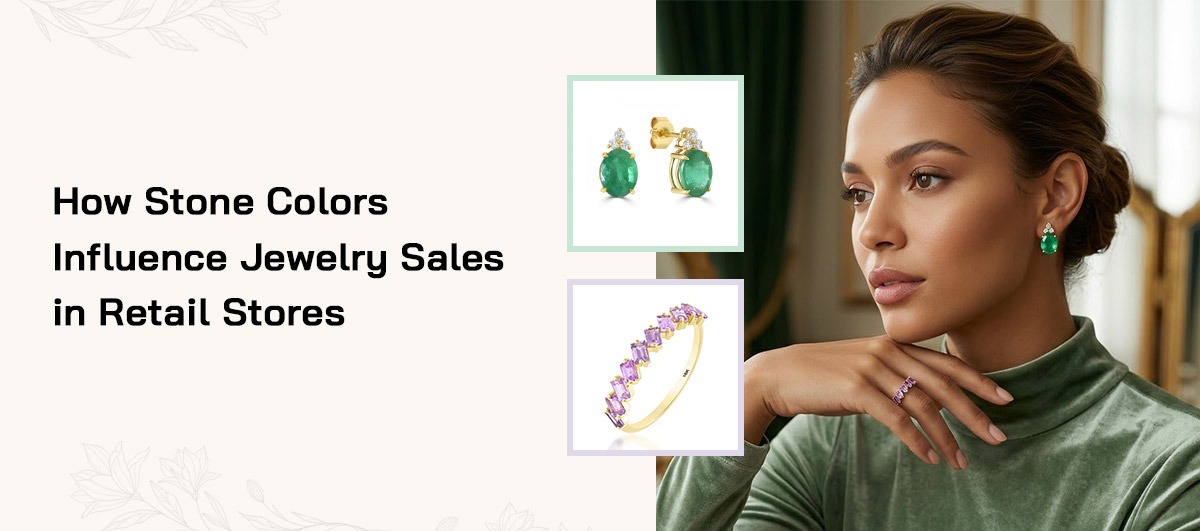
How Stone Colors Influence Jewelry Sales in Retail Stores
In today’s competitive U.S. jewelry retail landscape, success is no longer driven by craftsmanship alone. Consumer psychology, visual appeal, and emotional connection play equally critical roles in influencing purchase decisions. One of the most powerful yet often underestimated factors is stone color. From diamonds to vibrant gemstones, color significantly impacts how customers perceive jewelry, how long they engage with a product, and ultimately, whether they make a purchase.
For retailers working with reliable Gemstone Jewelry Suppliers, understanding how stone colors influence buying behavior can lead to better merchandising, improved conversion rates, and stronger brand positioning. This blog explores the strategic importance of stone color in retail jewelry sales and how businesses can leverage it for higher profitability.
The Psychology Behind Stone Colors in Jewelry
Color psychology is a well-established concept in retail marketing. Different colors evoke different emotions, and in jewelry, this emotional connection becomes even more powerful because purchases are often tied to milestones, relationships, and personal identity.
Emotional Associations of Popular Stone Colors
- Blue (Sapphires, Aquamarine): Trust, calmness, and loyalty
- Red (Rubies): Passion, love, and energy
- Green (Emeralds): Growth, wealth, and renewal
- Yellow (Citrine, Yellow Diamonds): Happiness, optimism, and warmth
- White (Diamonds): Purity, elegance, and timelessness
Retailers who understand these associations can curate collections that resonate with customer emotions and seasonal demand, making color a key driver of sales.
How Stone Color Impacts Customer Buying Behavior
1. First Impression and Visual Attraction
Color is the first element customers notice when browsing jewelry. Bright and vibrant stones immediately attract attention, while subtle tones appeal to minimalist preferences. A well-balanced display of colors can increase store engagement and footfall.
2. Emotional Decision-Making
Jewelry purchases are often emotional rather than purely logical. Customers tend to choose pieces that reflect their personality or the sentiment they wish to express. For example, red stones are popular for romantic occasions, while blue stones are preferred for professional elegance.
3. Perceived Value and Luxury
Certain colors are associated with luxury and exclusivity. Deep blue sapphires and rich green emeralds often command higher perceived value, while classic diamonds dominate the premium segment of Wholesale Diamond Jewelry collections.
4. Seasonal Buying Trends
Color preferences change with seasons. Warm tones like yellow and orange perform well in summer, while darker hues such as emerald green and ruby red are popular during winter and festive seasons.
Role of Stone Colors in Retail Merchandising
Effective merchandising is crucial for maximizing jewelry sales. Stone color plays a central role in how collections are displayed and marketed.
Color-Based Product Grouping
Grouping jewelry by color creates a visually appealing display and helps customers navigate collections easily. Retailers can create sections such as “Romantic Reds,” “Elegant Blues,” or “Timeless Whites.”
Highlighting Best-Selling Colors
Using sales data to identify top-performing colors allows retailers to prioritize high-demand products and optimize inventory.
Lighting and Presentation
Proper lighting enhances stone color brilliance. White lighting works best for diamonds, while warm lighting enhances colored gemstones, improving their visual appeal.
Wholesale Diamond Jewelry and the Power of Neutral Tones
Diamonds remain the cornerstone of the jewelry industry due to their universal appeal. Neutral tones, particularly white diamonds, offer versatility and timeless elegance. Retailers sourcing Wholesale Diamond Jewelry benefit from consistent demand across all demographics.
Additionally, colored diamonds such as yellow, pink, and blue are gaining popularity among younger buyers seeking unique and personalized pieces.
Why Retailers Prefer Gemstone Jewelry Suppliers for Color Variety
To stay competitive, retailers must offer diverse color options. Partnering with experienced Gemstone Jewelry Suppliers ensures access to a wide range of stones, consistent quality, and trend-driven designs.
Suppliers that provide customization options allow retailers to create exclusive collections tailored to their target audience, enhancing brand differentiation.
The Influence of Gold Tones on Stone Colors
Metal choice significantly affects how stone colors appear. Retailers working with trusted Gold Jewelry Suppliers can strategically pair metals with gemstones to enhance overall aesthetics.
- Yellow Gold: Enhances warm-colored stones like rubies and citrine
- White Gold: Complements diamonds and cool-toned gemstones
- Rose Gold: Pairs beautifully with pink and pastel stones
This combination strategy helps retailers create visually appealing and cohesive collections.
Designer Jewelry Suppliers and Trend-Driven Color Strategies
Fashion trends heavily influence jewelry color preferences. Collaborating with Designer Jewelry Suppliers enables retailers to stay ahead of market trends by offering contemporary designs and trending color palettes.
For example, pastel gemstones and multi-colored jewelry have seen increased demand due to their modern and versatile appeal.
How Stone Colors Drive Impulse Purchases
Bright and unique stone colors often trigger impulse buying. Customers are more likely to purchase jewelry that stands out visually, especially when displayed prominently.
Retailers can use this to their advantage by placing colorful pieces near checkout counters or in high-traffic areas.
Wholesale Gold Necklace Collections and Color Pairing Trends
Necklaces are among the most visible jewelry pieces, making color selection crucial. Retailers sourcing Wholesale Gold Necklace collections can benefit from incorporating gemstones that complement current fashion trends.
Layered necklaces with mixed stone colors are particularly popular, offering versatility and personalization options for customers.
Customization and Private Label Opportunities
Modern consumers seek personalization. Offering customizable jewelry with preferred stone colors allows retailers to meet this demand effectively.
As a one-stop wholesale manufacturer, Alankar Jewels provides customization and private label services, enabling retailers to create unique collections that align with customer preferences and brand identity.
How Stone Colors Influence Online Jewelry Sales
In the digital marketplace, visuals are even more critical. High-quality images that accurately represent stone colors can significantly impact online conversions.
- Use multiple images with different lighting
- Provide zoom-in features to highlight color details
- Include color descriptions and emotional associations
This approach helps bridge the gap between physical and online shopping experiences.
Building a Profitable Color Strategy for Retailers
1. Analyze Customer Preferences
Use sales data and customer feedback to identify popular colors and adjust inventory accordingly.
2. Balance Classic and Trendy Colors
Maintain a mix of timeless options like diamonds and trendy colored gemstones to cater to diverse audiences.
3. Optimize Inventory Management
Avoid overstocking slow-moving colors and focus on high-demand categories.
4. Leverage Supplier Expertise
Working with experienced suppliers ensures access to high-quality stones and market insights.
Conclusion
Stone color is more than just an aesthetic element—it is a powerful sales driver in retail jewelry. From influencing customer emotions to enhancing product visibility, color plays a crucial role in shaping purchasing decisions.
Retailers who understand and strategically use stone colors can significantly improve their sales performance, customer engagement, and brand positioning. By partnering with reliable suppliers like Alankar Jewels, businesses can access a wide range of high-quality jewelry, benefit from customization options, and build collections that truly resonate with their target audience.
In a market where differentiation is key, mastering the art of color in jewelry can give retailers a strong competitive edge.
FAQs
1. Why do stone colors matter in jewelry sales?
Stone colors influence customer emotions and perceptions, making them a critical factor in purchasing decisions. The right color can attract attention, create emotional connections, and increase conversion rates.
2. Which stone colors sell the most in retail stores?
Classic white diamonds remain the top sellers due to their timeless appeal. However, blue sapphires, green emeralds, and red rubies are also लोकप्रिय due to their strong emotional associations.
3. How can retailers choose the right stone colors for their inventory?
Retailers should analyze customer preferences, seasonal trends, and sales data. Partnering with experienced suppliers also helps in selecting the right mix of colors.
4. Do stone colors affect online jewelry sales?
Yes, accurate color representation and high-quality images are essential for online sales. Customers rely heavily on visuals when making purchase decisions.
5. How can customization improve jewelry sales?
Customization allows customers to choose their preferred stone colors, creating a personalized experience that increases satisfaction and sales.
-
Gold Filled vs Gold Plated vs Solid Gold: What Retailers Need to Know
August 22nd, 2026 -
 August 22nd, 2026
 -
 July 28th, 2026